 bNomadic
Road Tripping through Alaknanda Valley
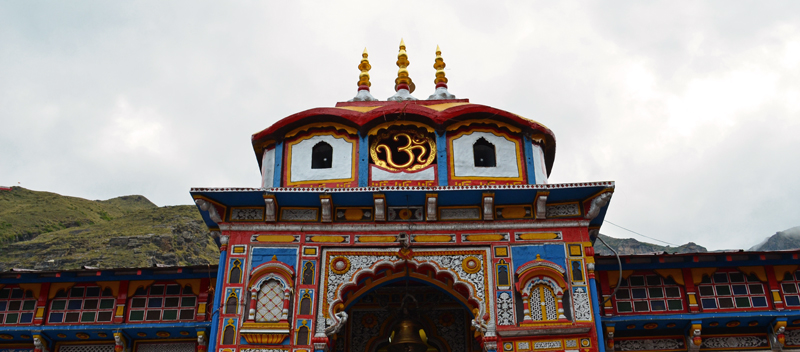
No other river has stimulated man`s imagination in India like the Ganga. Devotionally called Gangamaiyya or Maa Ganga, the river occupies the status of mother Goddess in virtually all Hindu homes. Descending from the icy heights of Gaumukh glacier in the Central Himalayas, the sacred Ganga enters the plains at Haridwar and flows through the great plains of north India before it finally arrives in the Bay of Bengal after completing a journey of over 2,500 km. The third largest river in the world by discharge, the Ganga, unfortunately, also ranks among the most polluted rivers of the world.
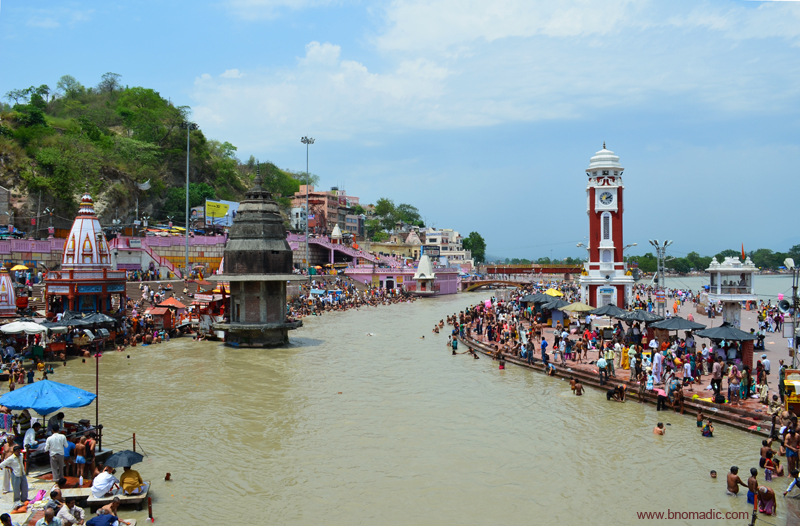
Located by the rightmost channel, just as the Ganga enters plains at Haridwar, the famed Ghats – Har Ki Pauri – literally meaning steps of Lord Shiva, are believed to have been built by the King Vikramaditya in the first century BC. Haridwar also marks the start of the Himalayan Char Dham Yatra. More images at Flickr
A few weekends before, courtesy the CEAT Tyres, I got an opportunity to road travel along the River Alaknanda, one of the two popular headstreams of the Ganga that originates in the Badrinath region. Such is the reverence for the Ganga that the greatest of all Himalayan temples for Hindus, Char Dhams – Yamunotri, Gangotri, Kedarnath and Badrinath – are located right at the source of its four major headwaters Yamuna, Bhaghirathi, Mandakini and Alaknanda. It is believed that anyone who completes a pilgrimage of the four dhams assures himself a place in the heaven. Revered since time immemorial, the Badrinath has gradually become the cornerstone of this pilgrimage.

Strawberries on display by the highway; you could halt to give your taste-buds the fruity touch. Photo by Sarabjit Lehal

A group of pilgrims from Rajasthan at the Triveni Ghat, Rishikesh. Photo by Sarabjit Lehal
After a sumptuous breakfast at our hideout in Rishikesh (370m), gateway to Garhwal – home to the Ganga headwaters – we started our upstream drive along the Ganga. Passing through the important adventure spots of Kaudiyala and Shivpuri, a fairly broad road curves along fragile hillsides on the right bank of the Ganga. In just above 70km from Rishikesh, the road reaches a maximum of about 1200m near the landslide zone before descending to Devprayag, spread at an average height of 800m. Going upstream, Devprayag is the first and the most important of the panch prayags, the five sacred confluences of glacial streams with the Alaknanda River in the Himalayan state of Uttarakhand. Together they are called the panch prayags: Devprayag, Rudraprayag, Karnaprayag, Nandaprayag and Vishnuprayag in that order upstream.
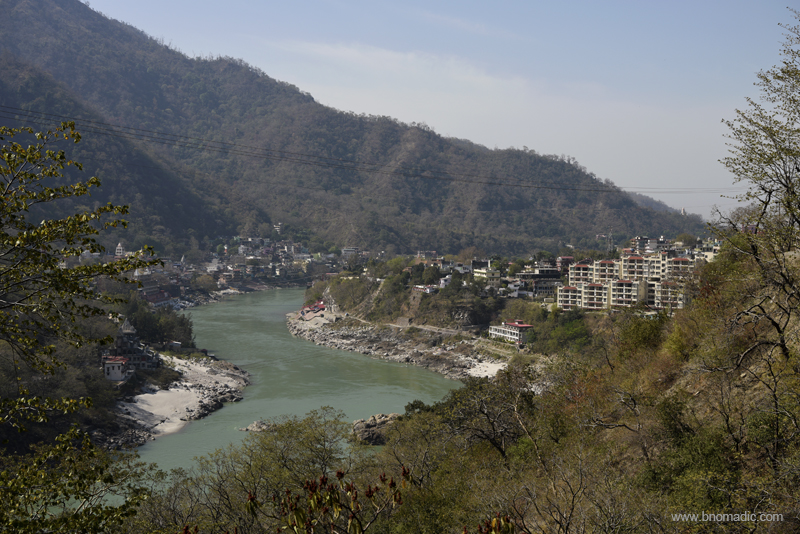
The Ganga preparing to enter the settlement of Rishikesh. Photo by Sarabjit Lehal

With the turbulent Bhaghirathi dropping in from left and calmer Alaknanda from right, the Ganga prepares to leave the mountains. Photo by Sarabjit Lehal
Otherwise a sleepy small town visited mostly by travellers or pilgrims, Devprayag attains popularity because it is here that the mighty river Ganga attains its name after confluence of Bhaghirathi and Alaknanda. Right from the highway high above the confluence, one could see stepped ghats below the small settlement leading to the icy waters. It was spring, so the waters were bluish-green and relatively calmer otherwise gushing in from the north-west the Bhagirathi is usually turbulent, whereas, pitching in from east the Alaknanda carries volume with it.
Meeting with her turbulent consort, the Alaknanda hurries down as she unites her clamours with the blustering current of Bhagirathi. Devprayag has always been a preferred halt for pilgrims on way to complete their Char Dham Yatra. The town also happens to be the winter home of the famed pandas of the Badrinath shrine. The Badrinath priests, mostly Brahmins from south India, had settled here in the eighth century when they accompanied the Hindu saint Adiguru Shankaracharya to the Badrikashram.
The highway from Rishikesh to Badrinath (Mana) is part of the NH58 that further connects it with Ghaziabad near New Delhi. The road ahead, slightly raised along the valley floor, meanders more or less along the Alaknanda. Being on the prime pilgrim network, the entire route is full of road side dhabas, sufficiently spaced fuel pumps and hotels. The next major town is Srinagar (580m), the erstwhile capital of the Garhwal Kingdom.
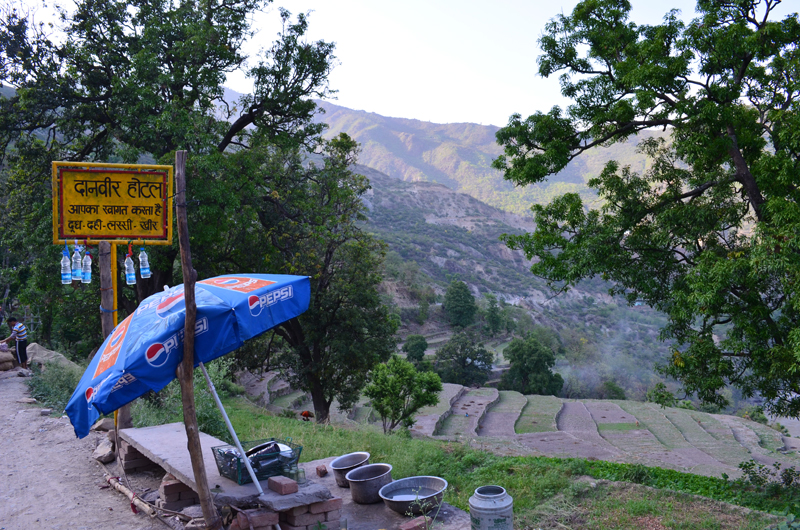
View from a roadside eatery ahead of Devprayag. Please visit Flickr for more images of the region
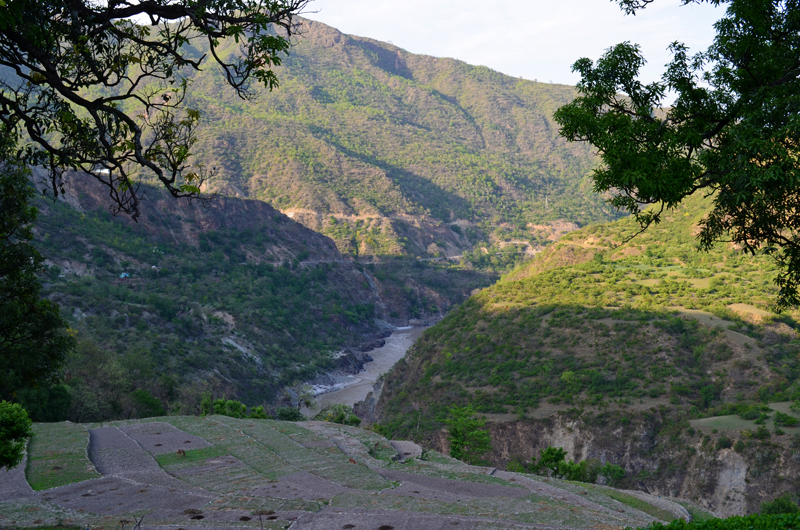
The Alaknanda! Please check Flickr for more images of the region
One thing you wouldn’t miss on this highway is temples and shops selling prasad and puja souvenirs. Being on a traditional pilgrim route, you’d notice a temple of repute every 20km or so with many of them destroyed and rebuilt after floods or other natural calamities. We drove along the Alaknanda under the shadow of the icy expanse of the Himalayan peaks to experience that travelling is the natural extinct of our being. Even as we were following a traditional pilgrim route, we were not pilgrims; but for us this experience meant much, much more than a pilgrimage. To travel along this route was to experience the interplay of history and geography at every turn.
The awareness of natural features is basic equipment for the traveller. One needs to know the personality of a river from its source to the estuary both as a practical aid and as an aesthetic advantage. As we left Srinagar, a large reservoir of greenish water of the dammed Alaknanda appeared like a high-Himalayan lake from a distance. A few kilometres after this dam site, we stopped for lunch by the highway. From the windows of this newly constructed restaurant, the view of the valley floor was spectacular.

The dammed Alaknanda just before Rudraprayag. Photo by Sarabjit Lehal
We were lunching only a few kilometres before Rudraprayag, the confluence town of Mandakini, that descends from the Kedarnath region, with the Alaknanda. The waiter at the restaurant, a young man who was a local recalled before us the horror of the 2013 flash floods. The settlement of Rudraprayag (720m), seventy kilometres from Devprayag, bore the brunt of the floods as being on the valley floor it received swelling waters from both the rivers. Rudra, one of the many names ascribed to Lord Shiva, gives this place its name. It is said that Shiva performed the Rudra Tandav here, which depicts him in his role as the creator as well as the destroyer. Nature will always be supreme. All of India’s rivers undergo astounding changes during their seasons; from the slack shy pools of winter to fearsomely swelled muddy torrents in monsoons.
Our next stop was the memorial built at Gulabrai to commemorate Jim Corbett’s kill of the man-eater Leopard way back in 1926. Reputed to have killed more than 125 humans, the leopard was killed by Corbett after more than ten weeks of search and hunt. Such was the terror of the leopard that the locals continue to hold an annual fest at the memorial site to this day. We bought some fruits and topped our supplies for the remainder travel of the day.

The memorial at Gulabrai, Rudraprayag. Photo by Sarabjit Lehal
The road condition had improved after Devprayag. Our next stop Karnaprayag, 31 km from Rudraprayag was reached in no time. On the way, we crossed Gauchar, a settlement that gained fame with the onset of state managed Char Dham annual yatra. Situated at the confluence of the rivers Pindar and Alaknanda, Karanprayag is surrounded by high Himalayan peaks of Nanda Devi, Trishul and Dron Giri, etc. Legend has it that the great warrior hero of the Mahabharata, Karna, prayed here for three years and was rewarded with an impregnable shield by his father, the sun God, Surya. From this town a narrow road, being widened by the BRO, by the Pindar connects Garhwal with Kumaon.

The Alaknanda Valley at Gauchar. More images from the region at Flickr

Thats the Karanprayag. Photo by Sarabjit Lehal
The marketplace of Karnaprayag is a good option to top up the supplies if you are heading towards Badrinath or the Valley of Flowers. The road ahead climbs to reach the next prayag Nandaprayag, a large village at an average altitude of 1320m. This prayag is the confluence of rivers Alaknanda and Nandakini, originating from Shivasamudra Glacier, which can be approached through the popular Kuari Pass – Tapovan Trek.

The sacred Vishnuprayag. A temple dedicated to Shiva is situated just above the sangam
Reaching the next prayag, the highest of all, takes rather slightly longish time. At an average height of 1600m, the small settlement of Vishnuprayag is spread above the holy confluence of Alaknanda and Dhauliganga. One needs to cross Joshimath to reach this prayag on way to Badrinath. One thing of note here is that all the prayags have been a popular mediation spots since time immemorial. The higher ones were preferred by Swami Vivekananda. The connotations of a prayag are appropriate to the Hindu belief where it is believed that the goal of life is an individual quest to merge one’s soul with the divine. Life itself is like a river, snaking its way past obstacles, surging back after petering out in the shallows of despair.

A group of pilgrims from Mahendragarh in Haryana singing melodious bhajans at Joshimath

Babaji smoking his chillum; he later discouraged me from travelling in the Himalayas but surprisingly offered me his chillum. Holy Smoke!


A blockade imposed by the administration at Joshimath to allow one way movement on narrow roads.

A road blockade normally lasts a couple of hours; enough for the cooks to prepare a group’s evening meal.
Further ahead, the distance between Vishnuprayag and Badrinath isn’t much (32km) but it might take more time than necessary due to road-breaks imposed by the administration to facilitate rather quick and safer flow of traffic on narrow roads. If required, prefer a night halt at Joshimath than anywhere else. Specifics of this route will be covered soon on bNomadic.
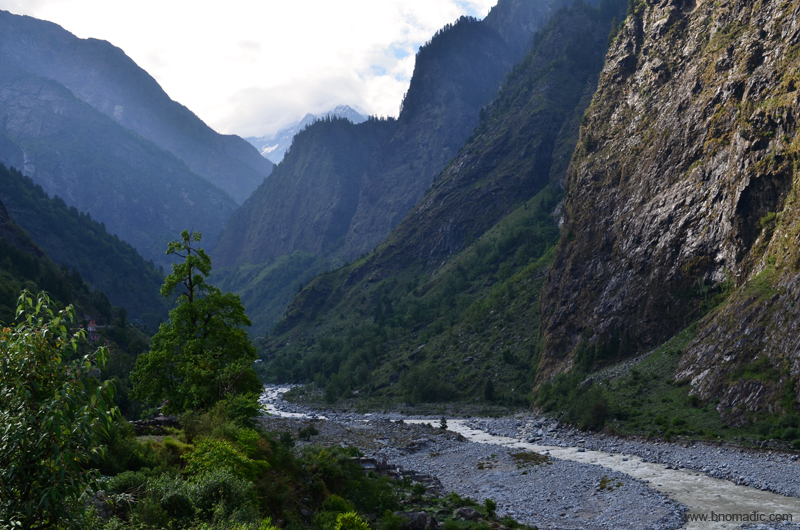
The infant Alaknanda near Ghangaria. Please visit Flickr for more images of the region
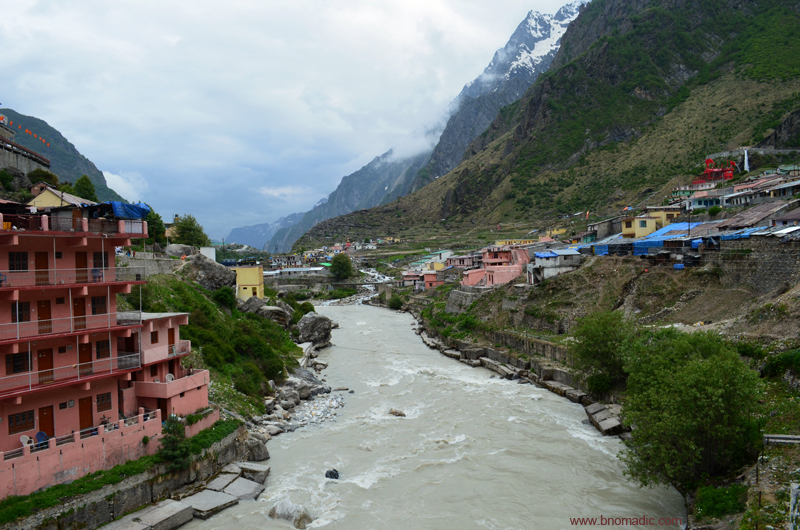
The Alaknanda at Badrinath. More images at Flickr

The Badrinath Dham by the Alaknanda. For more images, please visit Flickr
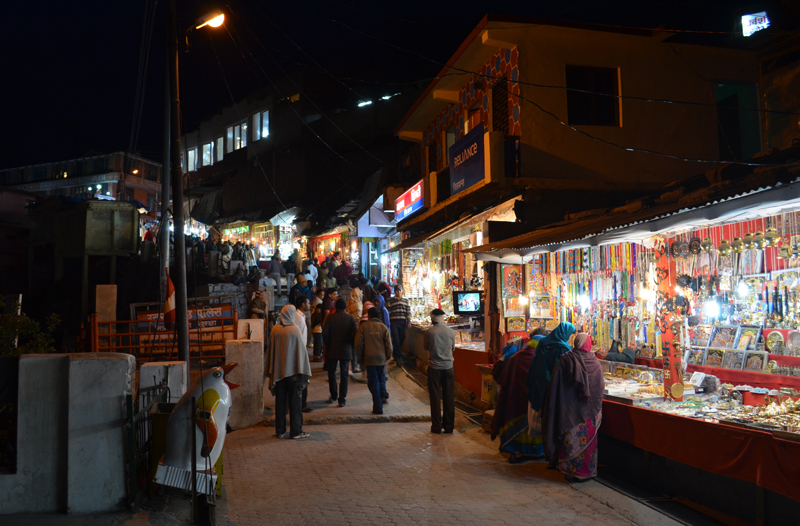
The evening bazaar at Badrinath. Please visit Flickr for more images from the region
Insofar as road safety on hills is concerned, always remember that driving on the mountains and driving on the plains are two different experiences. Not only the machinery of your vehicle, but your skillset also needs a refinement up here. Honk on curves and turns. A vehicle climbing uphill should be given a priority. Do not unnecessary get into speeding or overtaking mode. Watch out for falling rocks, normally marked by the agencies, and cross them as soon as possible once you are sure of a clear passage. Make a mental note that the hillside of Garhwal is more fragile in stability as compared to the other regions like Kumaon or Himachal.

A group of pilgrims taking the evening aarti at Badrinath. More images at Flickr
Disclaimer: This post, Road Tripping through Alaknanda Valley, my road trip adventure has been chronicled for CEAT Tyres in association with BlogAdda.
A weekend at Rishikesh

The banner image of this write-up features Arjuna being charioted by Krishna as illustrated in the epic of Mahabharata. Even though, the Mahabharata had no direct link with this pilgrimage town; the epic story would possibly forever continue to be the underlying sentiment of all Hindu pilgrimages. I clicked this image at the ghat managed by the iconic Parmarth Niketan Ashram where apart from routine yoga lessons, the Ganga aarti is performed every evening by the ashram mates.
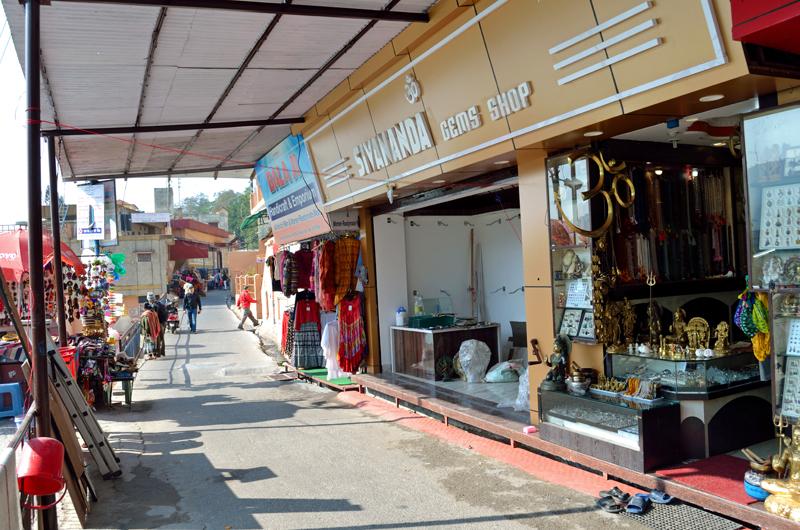
Gems and jewelry shops dot the streets and marketplace of Rishikesh. More images at Flickr

The prasad and street shops selling wooden souvenirs come next. More images at Flickr
Whether you are a pilgrim seeking a holy refuge, a yoga enthusiast seeking spiritual environs, an adventure lover or an adrenaline junkie or simply a traveller who loves to explore the streets, Rishikesh has just everything in store for you. The region had always been a preferred destination for spiritual and solace seekers; but ever since the likes of Beatles travelled to Rishikesh in the late 1960s, it firmly placed this small pilgrimage town on the global map. Today people from all walks of life and nationalities throng this place in search of yoga instruction, spiritual awakening, soft adventures as well as giving themselves a chance to be closer to nature.
When we visited this town – also known as the Gateway to the Himalayas as well as the Yoga Capital of the World – a few weekends before; people of all sorts, many of whom were carrying plastic yoga mats and dressed ethnically, dotted the streets and cafes. Those who couldn’t afford a walk rented scooterettes or Enfield bikes to ferry their belongings from spot to another. Having parked ourselves in one of the popular TRHs located in Muni Ki Reti, now a northern suburb of the town, we set out to explore the multi-layered town on foot. Even though, the Char Dham Yatra season was still a couple of months away, the ghats on both sides of the holy Ganga were teeming with devout followers ready to take the holy dip as their pandas assisted them in offering flowers to the Gangamaiya, as they fondly called it; ringing temple bells and singing sacred hymns. The energetic streets were activated with spiritual randomness. Hawkers dotted both sides of the passage selling temple souvenirs and prasad or street foods.
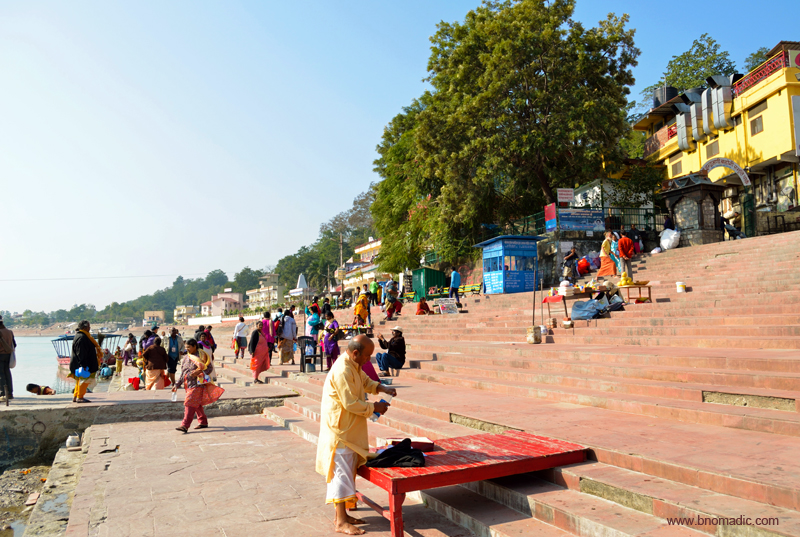
The ghat near the confluence of Chandrabhaga with Ganga River on its right bank. More images at Flickr
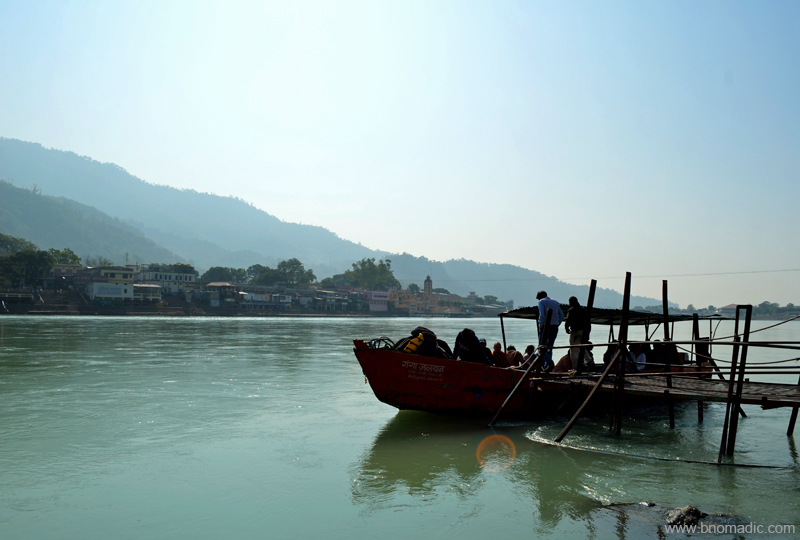
Apart from the Ram Jhula and Lakshman Jhula, motor boat jetties are the only means to crossover to the other side of the Ganga around here. More images from the region at Flickr

The Sivananda Ashram Ghat. Please visit Flickr photoset for more images from the region.

The Ram Jhula, visible a long way off, connecting the two banks of the Ganga. More images at Flickr

The tri-coloured Ram Jhula at Rishikesh
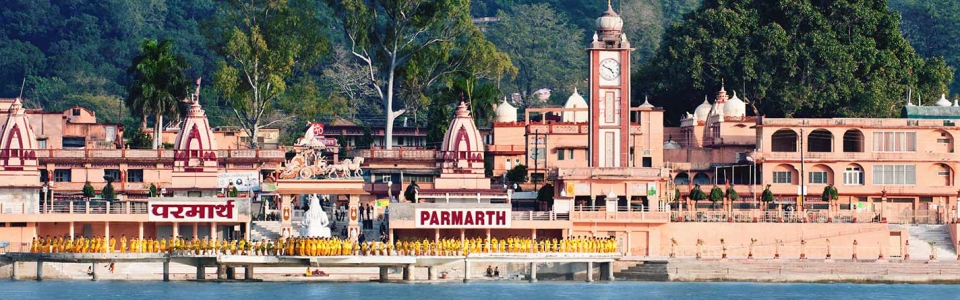
The Parmarth Niketan Ashram on the opposite bank. Source: Parmarth. More images at Flickr
My co-conspirator on this trip, Sarabjit Lehal who also has a thing about street photography lost no time in digging out his Ricoh for the assignment. The pandas or street hawkers are so used to posing for cameras that they start asking for a bribe in return. There is no dearth of ashrams, hermitages and yoga centres in Rishikesh, possibly hundreds of them, with a few more than thousand years old. Crossing Ram Jhula, an iron suspension bridge engineered in 1980s, to the Swargashram side, we headed towards the Parmarth Niketan Ashram. We had a few queries related to yoga and health which the resident Ayurveda doctor duly addressed. With more than 1000 cells or rooms, the ashram was much larger than what we had anticipated. Next we headed towards the erstwhile Maharishi Mahesh Yogi’s estate.
Now a part of the Lansdowne range of the Rajaji National Park, the ashram is currently in shambles with some intriguing past trapped in the nooks and corners of the estate. More than a month long spiritual retreat by the Beatles in 1968 gave this town and ashram some international fame. And for die-hard fans a short excursion through the Beatles ashram where they had stayed is a must-to-do. As we rambled through the shrubbery overlooking the energetic Ganga, checking the once modern meditation pods or claustrophobic cells and the graffiti-covered yoga or lecture halls, images of the yesteryears flashed before us. The reason why people from across the globe come at Rishikesh to find solace and meditate was before us.

The entrance gate to the Maharishi Mahesh Yogi Ashram where the Beatles stayed and apparently wrote much of the White Album. The ashram had turned into a ruin after it was abandoned in 1997. A couple of years before, the state Forest Department converted the ashram into an eco-friendly tourism destination. The Department now charges an entry fee of Rs 150 from Indian nationals and Rs 600 from foreigners for allowing “Nature Walks” and “Bird Watching”.
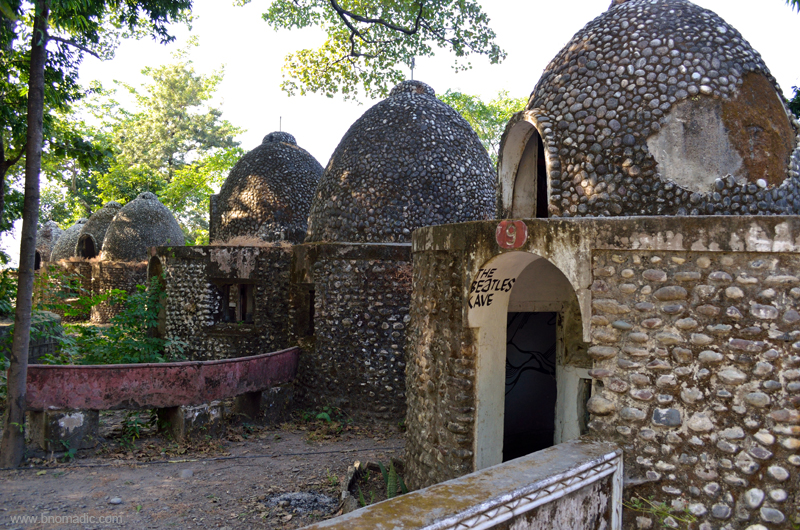
Apparently the pods where the Beatles stayed to experience transcendental meditation. More images at Flickr

A majority of the 84 Meditation Pods have now been consumed by the jungle shrubbery. More at Flickr
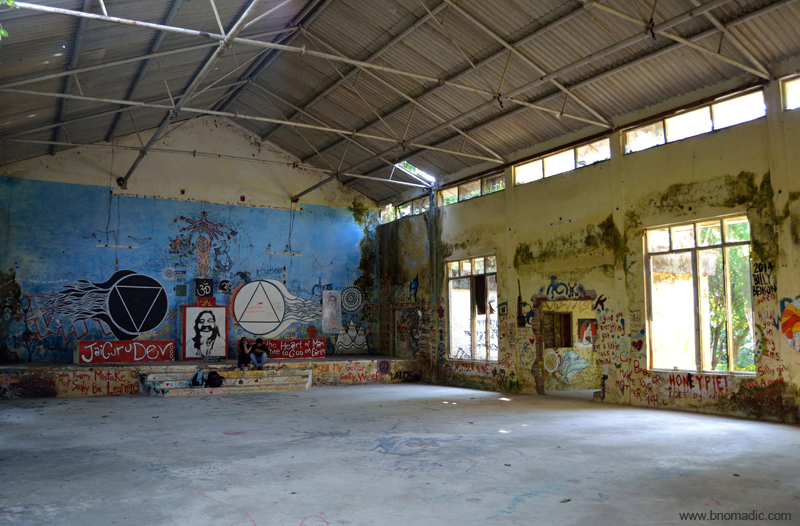
In 2012, a few artists including Pan Trinity Das painted the walls with pop art and black-and-white portraits of the Beatles along with some spiritual leaders; the artwork on the walls of the yoga hall has remained untouched and continue to be an attraction for visitors. More at Flickr
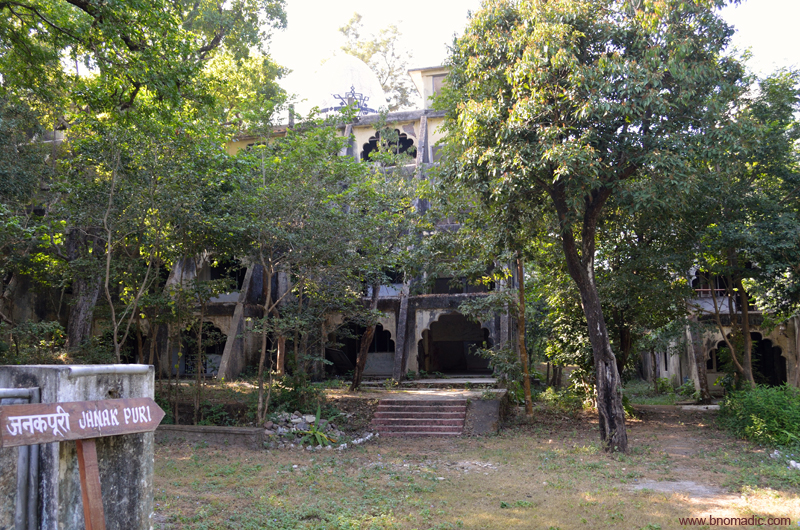
The ashram once had a multi-storied residential complex for the spiritual seekers. More at Flickr
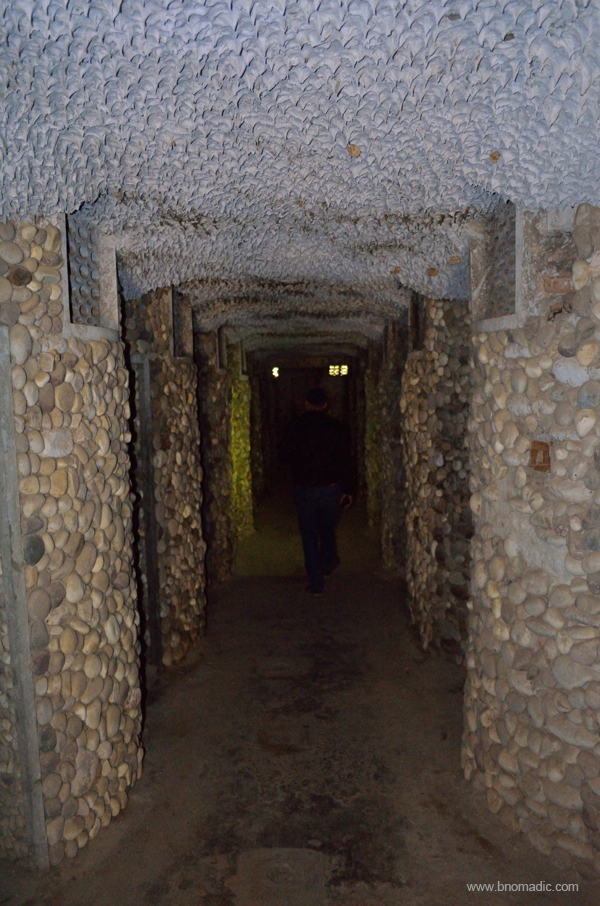
Inside the meditation cells of the ashram
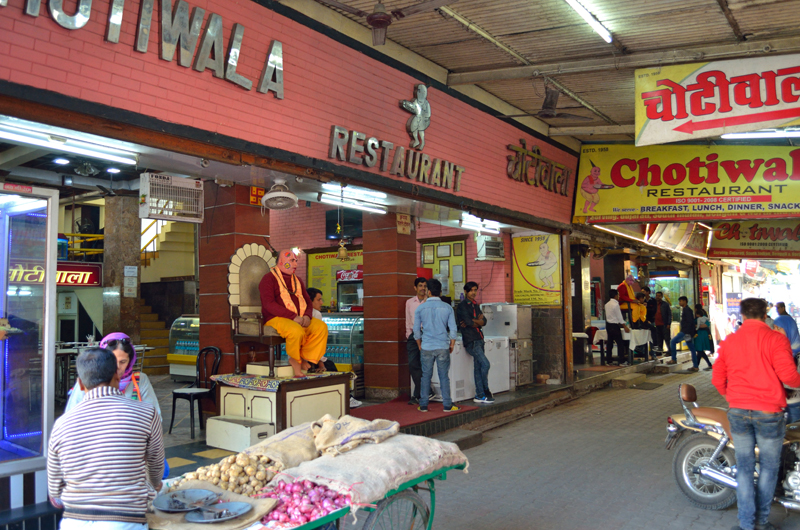
The two Chotiwala Restaurants in the Swargashram area are favorite with Indian tourists. Frankly, we did not like the flavors one bit. More images from the region at Flickr
We strolled through the Swargashram on the left bank of the Ganga and headed towards the Lakshman Jhula. Yoga and music instructors, Ayurveda practitioners, Meditation as well as rafting guides of all sorts are available on this side of the Ganga. Locals believe that the energetic Ganga against the backdrop of the wilderness makes the realisation as well as working of mind faster and more conducive which is why many seekers including foreigners are now increasingly looking for permanency in this region. Most popular food joints or cafes are either located near the Ram Jhula or the Lakshman Jhula; both separated by a couple of kilometres.

Cafe De Goa in Tapovan. Please visit Flickr for more images from the region

Connecting the two small settlements of Tapovan with Jonk, the Lakshman Jhula is one of the major landmarks of the town. This iron suspension bridge was built in 1930 to replace the earlier bridge which was washed away by the great floods of 1924. More images from the region at Flickr
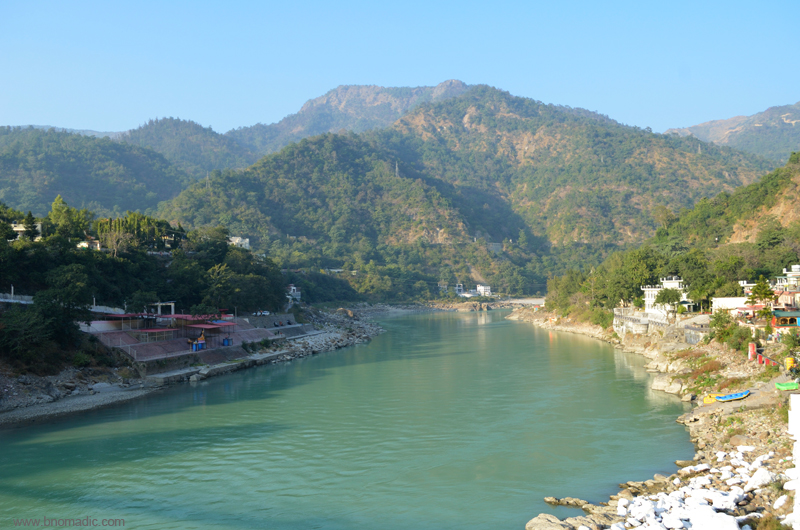
The stretch below the Lakshaman Jhula is also the preferred point to conculde rafting adventures. More at Flickr

Setting sun; as viewed from the Lakshman Jhula. More images from the region at Flickr
We opted for the Lakshman Jhula side and patiently waited at a café for the evening Ganga aarti to start at the Kailashanand Ashram just below the Jhula. The other, and more popular, spots to see the evening aarti spectacle are at the Parmarth Niketan ashram and the Triveni Ghat which we visited on our next trip to the town. According to the Hindu mythology, the Lakshman Jhula is built on the same site where Lakshamana once crossed the river Ganga on a jute rope; and hence another important pilgrim attraction. A short excursion (30 min) from the tri-junction on the left bank of the Jhula takes you to the Neer Garh Falls which are best visited in monsoons.

A group of pilgrims after the bathing ritual at the ghat. The Triveni Ghat is considered to be the most revered sacred bathing spot in Rishikesh. It is believed that a dip in water at this ghat washes away all the sins and purifies the soul. More images at Flickr
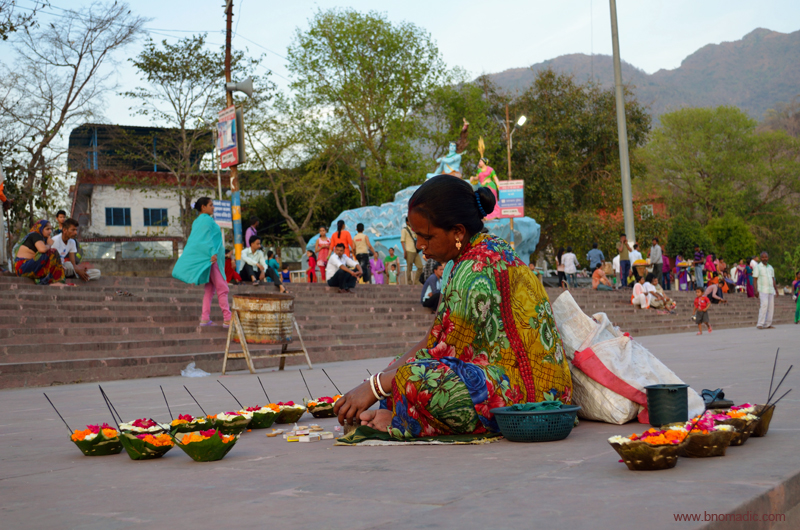
A woman selling prayer diyas meant to be offered to the Gangamaiyya. More at Flickr

A group of pilgrims assembled at the aarti site to have their special pooja performed. Photo by Sarabjit Lehal. More images at Flickr

After which some dakshina, a small payment for the services of a priest, is also offered. Photo by Sarabjit Lehal
We had opted to take refuge in Café De Goa for snacking and some evening tea. The café offers a nice vantage point. Overlooking the beautiful Ganga in its calmer role, the views from the deck of this cafe are exquisite. Run by locals, this is a typical café where you get the best of various cuisines including Mediterranean, Lebanese, Indian, etc. It is not uncommon to find visitors lazing here and soaking in the view. We ordered some popular food that seemed hygienic but to our amazement it also lacked flavours. Right across the café was a preferred point to end the rafting exercise where rafts were being collected by the organisers. As it exits the Himalayas, Rishikesh is the first major town, the holy Ganga reaches. On the opposite bank, preparations for the evening aarti were afoot and soon we were at the Kailashanand ashram to watch the proceedings up-close.
The evening aarti performed in full rhythm and chorus makes for an appropriate finale to a day’s activities and excursions at Rishikesh. The crowd enters in a devotional trance and a few devotees even vow to keep the Ganga clean. After all it is a collective purpose for which all stakeholders and communities need to come together to respect and value their natural surroundings to an extent that equates it to a form of devotion.

Babaji, who also doubled up as an usher, at the aarti platform at Triveni Ghat. Photo by Sarabjit Lehal
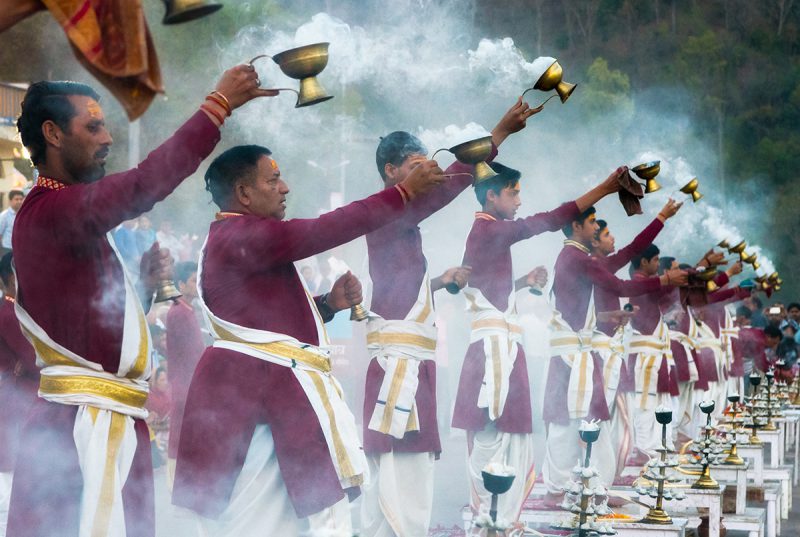
The evening Ganga aarti at the Triveni Ghat. Photo by Sarabjit Lehal. More images at Flickr
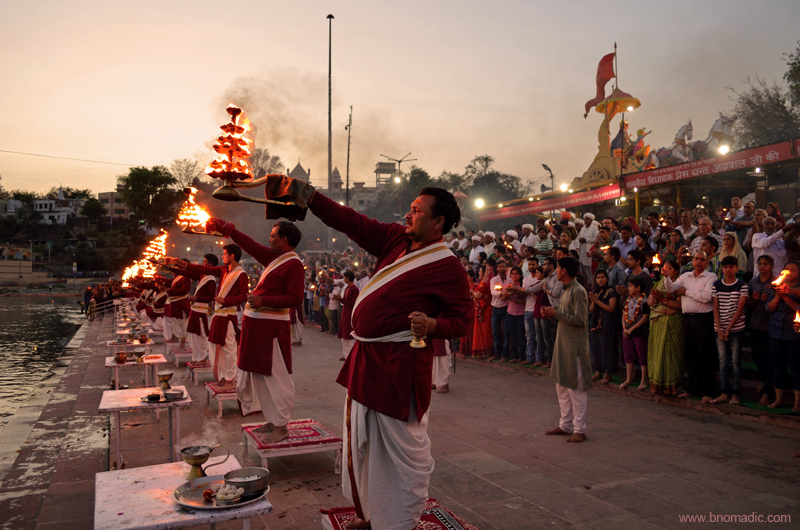
The Ganga is worshipped every evening at various ghats in Rishikesh among which the Maha Aarti at Triveni is distinctively famous

The aarti starts with chanting of bhajan, drum beats and bells as diyas are offered to the Ganga. Photo by Sarabjit Lehal. More at Flickr

Evening Ganga aarti at Kailashanand Ashram. Please visit Flickr for more images from the region

The aftereffect of the aarti; here in the frame: a devotee from Rajasthan in trance. Photo by Sarabjit Lehal. More at Flickr

The crowd patiently listening to and participating in the bhajans after the aarti. Photo by Sarabjit Lehal. More images at Flickr
Starting from our TRH and back, at the end of the day, we had clocked over six kilometres on foot. It is advisable to start from Ram Jhula side to Swargashram and then to Kailashanand Ashram to take Lakshman Jhula and be back at Muni Ki Reti. This route covers most iconic landmarks or attractions of Rishikesh except for the Triveni Ghat or explorations in the wilderness around. More from the Rishikesh diaries soon on this blog.
Book Talk: Darra Darra Himalaya

Adventure travel writing in Hindi language does not occupy much space in travel and adventure section of bookshelves as most travellers prefer to write in English language for its wider acceptance globally. Although, many would-be adventurers are increasingly taking up travel-blog writing in Hindi yet publishing a book in the same league find fewer takers. The most popular travel writers whose writings have been translated in many languages include the likes of legendary Rahul Sankrityayan and Krishanath.
Posing a serious challenge to afore notion, the book Darra Darra Himalaya authored by Ajay Sodani captivates and takes you along on some of the toughest terrains of the Indian Himalayas. In his debut book, the author has chronicled his adventures through the challenging Kalindi Pass and Auden’s Col located in the Garhwal Himalayas. The fact that he trekked both the challenging high-altitude routes, along with his wife and a teenager son, got recognised by the Limca Book of Records. Written in Hindi, the book brings alive the breath-taking beauty of the route as well as the dangers associated with it.
The author Ajay Sodani is a doctor by profession and hails from Indore in Madhya Pradesh. Mesmerised forever by the spiritual pull of the Himalayas, the author and his family has been frequent travellers to the Himalayas, more particularly the Garhwal Himalayas in Uttarakhand. Not only the sereneness and raw nature of the terrain, Ajay Sodani has a deep respect for its original inhabitants and locals. Walking in the footsteps of his mother, Sodani decides to retrace and trek the routes which were once said to be popular with hardcore pilgrims.

In the spring of 2005, the author and his family lands up in Uttarakashi to trek the glacial route connecting Gangotri with Badrinath via the Kalindi Pass. Popularly known as Kalindi Khal trek, completing this route is a no mean feat and can give jitters to even seasoned trekkers. With just enough supplies and assistance, the family completed the arduous 99 km trek that begins from Gangotri (3048m) and passes through Gaumukh (3892m), Nandanvan (4500m), Vasuki Tal (5300m), Kalindi Base (5590m), Kalindi Khal (5948m) before descending to Arwa Tal (3980m), Ghastoli (3600m) to reach Badrinath at 3100 m. The trail passes through some of the most fascinating Himalayan landscapes under the shadow of the Bhagirathi I, II and III, Shiblinga, Basuki, Chandraparbat and Satopanth peaks, etc.
Next up, in the monsoonal summers of 2009, the Sodani family was back in Uttarakashi; this time to trek the high-altitude route connecting Gangotri with Kedarnath via the Auden’s Col. The objective of this trek was to feel the raw and untouched Himalayas as well as to retrace the pilgrimage route popular in the Hindu mythology. The Auden’s Col is situated on the connecting ridge of Gangotri III (6577m) and Jogin I (6465 m); and offers a passage from the Rudugaira Glacier to reach the crevassed Khatling Glacier. Part of the route, the Col connects the Rudugaira valley with Bhilangna valley. The author later rated this route to be even tougher than the Kalindi Khal trek.
Enthusiasts particularly interested in these two treks would find this book to be full of preparatory information, a handicap which Sodani faced while planning his own adventures. All 160 pages of this book – comprising useful information and necessary details – make for an interesting read for anyone who is thinking of attempting these routes or similar feats elsewhere in the Himalayas. The best part is the frank and easy language used by the author in describing incidents on the go and you actually feel as if you are trekking along. The book is averagely priced at Rs 120 on most online resellers including Amazon.in
Book Talk: Inner Line Pass

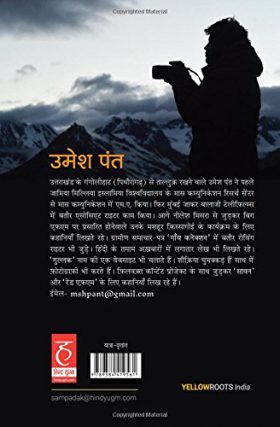
The book Inner Line Pass is a travel account of the author Umesh Pant who spent two unforgettable weeks in the Himalayan paradise on his trek to the Adi Kailash region located in eastern Kumaon. Occupying the easternmost wedge of Uttarakhand, the Adi Kailash range, abode of Lord Shiva and Goddess Parvati, embraces the borders of Tibet and Nepal. The massif itself is bound on the west by the Darma Valley and by the Kuthi Yankti-Kali Rivers towards its east.
Also known as Chota Kailash, the Adi Kailash massif, is revered, since time immemorial, by the Hindus who consider it among their prime pilgrimage sites. Ever since the erection of a temple at Parvati Taal in 1973 and the laying of a mule track to Jolingkong at its base from the last village on the route, Kuthi, the Adi Kailash region is trekked by no less than several hundred pilgrims every year. The pilgrims undertake this arduous 100 km trek to pay their obeisance to Shiva, Parvati and the striking profile of the holy massif, which is best viewed from Parvati Taal.

Umesh Pant hails from Pithoragarh district of Uttarakhand and is a freelance journalist as well as a radio-scriptwriter. Enchanted by the Himalayas, the author seized the opportunity to trek the entire route from Dharchula on a small media junket. Giving more metage to expressing his blissful state of mind as he was mere hours away from breathing in the embrace of the Himalayas, Umesh briefly describes the preparations he made for the journey. Although he was born in the hills, this was going to be his first experience of travelling and trekking in the upper reaches of the Himalayas that requires more than just material preparation.
Written in Hindi, the story begins right from his rickety bus journey from New Delhi to Haldwani, his hitch hiking to reach the KMVN guest house at Dharchula as well as the initial hiccups faced in obtaining the mandatory Inner Line permit to get an access to the border region of Uttarakhand. The Kumaon Mandal Vikas Nigam (KMVN) has setup basic infrastructure along the entire route as it organises the Adi Kailash Yatra annually. To his advantage, the author made the best use of the available infrastructure to make his journey somewhat comfortable.
The Adi Kailash Yatra as well as the Kailash Mansarovar Yatra follows the same route up till Gunji, after which the route bifurcates in different directions. To get a clearer and photographic view of the Om Parvat – considered sacred as the snow deposition pattern over its face resembles the ‘OUM’ (ॐ) – one has to follow the Kailash Mansarovar route till Nabidhang, almost a day’s journey after Gunji. Having captured the Om Parvat massif in his camera, the author returned to Gunji to continue his way up to Jolingkong for the Adi Kailash.
On his way back, as the author narrates the ordeal he faced in the jungle after incessant rains, he has not only recreated his sufferings but has dramatically underscored that come what may mother nature will always be supreme. I only wish that Umesh could put some colourful photographs and include some finer details about the route.
In about 160 pages, the author has reconstructed the charm and Himalayan pull through the conversational overtone reflected through his writing style. Although, the author has been an active writer, this is his first travelogue published in the form of a book. For someone who wishes to travel to this remote region, the book is a pure delight waiting to be read. The book is currently available at an average price of Rs 80 at most online resellers including Amazon.in
Book Talk: The Epic of Mount Everest

The series of expeditions undertaken by the British in the early 1920s to stand atop the Mount Everest had globally spawned interest towards the mountain. Even as the expeditions resulted in thirteen deaths including those of the then celebrity mountaineers George Mallory and Andrew Irvine, the question whether the summit was reached in 1924 remained a mystery.
A legend himself, Francis Younghusband, the author of The Epic of Mount Everest, was the promoter and instigator of the first four sustained assaults on the mountain. He was also, according to a frequently repeated story, the inventor of the very idea of trying to stand on the top of the Everest. Francis wrote this book, the definitive account of the 1921, 1922 and 1924 expeditions – in the aftermath of Mallory and Irvine’s death, when it was not clear whether a further attempt on the mountain would ever be permitted.
Subsequently, numerous claims were made, several stories and accounts published and several generalities followed, but the tantalising mystery became even deeper. The heightened interest gave way to several such expeditions which were organised just to trace the remains of Mallory and Irvine so as to ascertain the claims of a successful summit attempt. It was more than seven decades later when by a mix of adventure and luck, the alabaster corpse of Mallory was discovered high on the slopes of Everest during the summer of 1999. The discovery had a spectacular universal impact. By now, Mallory was widely recognised as the emblem of the early Everest expeditions.

The book is currently available at Amazon at an average price of Rs 150.
Mallory’s body was found to be lying face down at full stretch, with his right leg broken and fingers gripping the frozen gravel in a desperate attempt to slide no further. There was no camera, but by analysing notes in his pockets and other fresh data, his discoverers concluded that the probability of a successful summit was greater than previously thought. The mystery remains with the elusive camera and its cold, undeveloped film; the only way a definitive answer might ever be found.
The discovery of Mallory’s preserved body and some of his other belongings in the snow at 27,000 ft had renewed the interest in those early Everest expeditions. The book The Epic of Mount Everest, originally published in 1926 was republished in 2000 with some more photographs from the earlier expeditions. The Indian born Francis Younghusband, who made his reputation as a spy and explorer in China and Central Asia as well as led the 1903 British invasion of Tibet, condensed the descriptions of the three expeditions into one book.
Separate chronicles of the three Mount Everest expeditions had already been written by those who took part in them, and have been published in the three books, Mount Everest: The Reconnaissance, 1921; The Assault on Mount Everest, 1922; and The Fight for Everest, 1924. The book by Francis tastefully brings out the crux of all the expeditions in just about 250 pages. The current edition of the book has its introduction penned by the celebrity author Patrick French. It becomes even more interesting to read what one legend writes about the other.
Through this book, Francis not only captures the essence of the three British expeditions but has added his own analysis and explanations gathered from his mammoth experience of explorations, mountains and the Himalayas. “Everest indeed conquered their bodies. But their spirit is undying. No man onward from now will ever climb a Himalayan peak and not think of Mallory and Irvine,” he concludes.
Apart from mountaineering, the book contains a great deal of knowledge for a naturalist, historian, Himalayan lover and anyone who loves to travel. I’d recommend this book to every mountaineering, exploration and Himalayan enthusiast. The book is currently available at Amazon and other online resellers at an average price of Rs 150.







 bNomadic